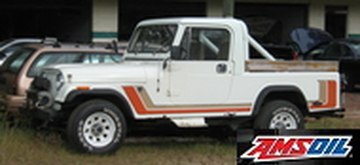
Engine Lubrication and Maintenance for the 1982 Jeep CJ-5 2.5L
Maintaining a vehicle like the 1982 Jeep CJ-5 requires a disciplined approach to routine service, particularly regarding the lubrication of the 2.5L engine. Because these vehicles are often subject to varying operating environments and mechanical demands, staying ahead of fluid maintenance is essential for long-term engine health. Proper care involves more than just periodic oil changes; it requires a comprehensive understanding of how to monitor the vehicle's condition and respond to any changes in its performance or appearance.
Monitoring Fluid Integrity and Potential Leaks
One of the most effective ways to manage an aging engine is through regular visual inspections. For the 1982 Jeep CJ-5, owners should frequently check for signs of fluid seepage or active leaks. When inspecting the engine bay, look closely at various sealing surfaces and gaskets. While it is common for older engines to show some evidence of weeping, any significant accumulation of oil can indicate a need for closer inspection.
If you notice fresh oil pooling on the ground or coating the underside of the engine, this warrants investigation. Additionally, pay attention to the appearance of the lubricant itself when checking the dipstick. If the oil appears excessively dark, gritty, or shows signs of contamination, it may be time to perform a service regardless of the mileage. Monitoring these indicators helps prevent minor seepage from evolving into more significant mechanical issues.
Observing Changes in Engine Behavior
Beyond visual inspections, an owner should remain attentive to how the 2.5L engine operates during daily use. Mechanical changes can often be detected through sound or smell before they become catastrophic failures. For instance, unusual noises coming from the engine compartment may indicate that lubrication is not reaching critical components effectively. While many sounds can have multiple origins, any new or persistent mechanical noise should be investigated by a professional.
Changes in exhaust characteristics can also serve as an indicator of internal engine health. If you notice changes in the color or consistency of the exhaust smoke, it may suggest that the combustion process is being affected by something within the engine. Similarly, if you detect a burning odor after the vehicle has been running for some time, it could indicate that oil is contacting a hot surface. Because symptoms can be associated with various underlying causes, these observations should be treated as prompts for further diagnostic inspection rather than definitive diagnoses.
Prioritizing Long-Term Maintenance Decisions
As a vehicle ages, the strategy for maintenance often shifts from strictly following a schedule to managing the actual condition of the components. For owners of a 1982 Jeep CJ-5, establishing a maintenance baseline is a vital step, especially if the previous service history is unknown. By documenting every oil change, filter replacement, and repair, you create a roadmap that helps distinguish between routine preventive care and necessary corrective repairs.
When deciding which tasks to prioritize, address active concerns first. This means focusing on any identified leaks, unusual noises, or signs of fluid consumption before moving on to general preventive measures. If the vehicle has been sitting for extended periods, it is also wise to inspect age-sensitive components such as accessible belts (if equipped) and various rubber hoses for signs of cracking, glazing, or deterioration. Using the current physical condition of the engine and its accessories—rather than just the age of the vehicle—allows for more efficient and effective maintenance management.
Managing Engine Oil Quality and Contamination
The quality of the lubricant used in the 2.5L engine plays a significant role in managing internal cleanliness. Over time, all engine oils undergo thermal stress and oxidation, which can lead to the formation of deposits or sludge if the oil is not changed at appropriate intervals. Maintaining fresh oil helps ensure that the engine remains free from these buildup issues, which can otherwise interfere with the smooth operation of internal components.
Some high-mileage oil formulations contain additives intended for use in aging engines. These specialized lubricants may include seal-conditioning additives designed to help maintain the integrity of various gaskets and seals. While these products are not a substitute for repairing active leaks, they can be a useful consideration for owners managing an older engine with minor seepage. Regardless of the formulation chosen, ensuring that the oil meets the necessary quality standards is fundamental to protecting the engine from the effects of heat and contamination.
Effective Record Keeping for Ownership
For those looking to maintain the value and reliability of their Jeep, keeping a detailed service log is highly recommended. A well-maintained record should include the date of service, the mileage at the time of service, the specific products used (such as oil type and filter part numbers), and any observations made during inspections. This history is invaluable when attempting to diagnose new issues, as it allows you to see if a symptom is related to a recent service or if it has been a persistent, slow-developing condition.
Having a clear history also helps in identifying patterns. For example, if you notice that the oil level is dropping more rapidly than expected over several months, your records will help you determine exactly when this change occurred. This level of detail transforms maintenance from a reactive process into a proactive one, allowing for much better management of the vehicle's long-term health.
Practical Guidance for Buying Engine Oil for the 1982 Jeep CJ-5 2.5L
When you are ready to purchase new lubricant, it is essential to match the engine oil to the application-specific viscosity information already displayed on this page. Do not rely on general automotive knowledge or assumptions based on the vehicle's age to select a grade; instead, always refer to the specific requirements provided in the technical data above. Before completing your purchase, verify that the product labeling matches the required specifications for your 2.5L engine.
Depending on your specific needs and the current condition of your engine, you may choose between conventional, synthetic blend, or full synthetic oils. If your vehicle shows signs of high mileage, you might also consider formulations specifically designed with seal conditioners. Always check the API certification on the bottle to ensure the oil meets modern quality standards for lubrication and deposit control. By strictly following the application information provided here, you ensure that the lubricant you select is appropriate for your specific 1982 Jeep CJ-5.